
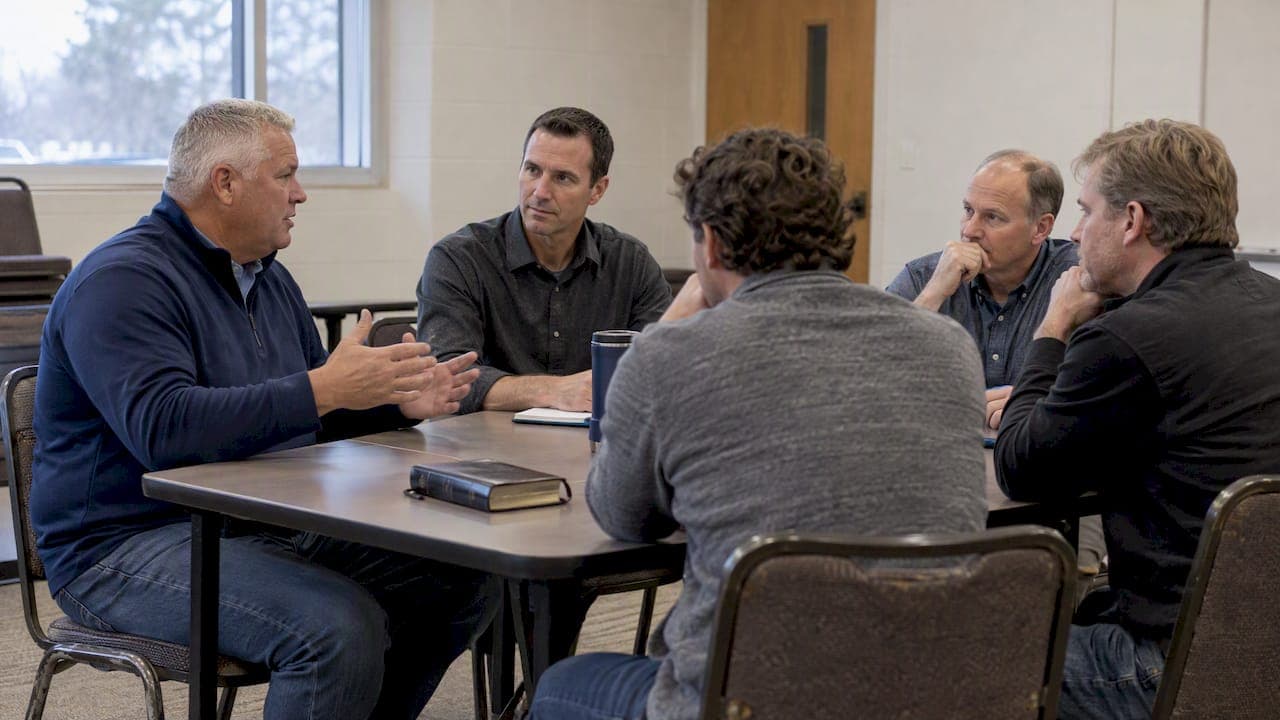
A peer advisory board that produces real change for a leader is small, confidential, and led by a trained facilitator: six to twelve members, a monthly meeting, pre-circulated briefing materials, and a written member agreement. That structure builds accountability and sharper decisions because the documentation and facilitation turn a few hours a month into some of the most consequential leadership time on the calendar.
TL;DR:
- Screen candidates for comparable seniority, noncompeting businesses, complementary expertise, emotional intelligence, and values fit; stagger one to two year terms to preserve continuity.
- Meet monthly for accountability or quarterly for strategic counsel; virtual sessions last 90 to 120 minutes, while in person meetings take three to four hours.
- Send briefing packets at least 72 hours ahead, with relevant figures and two or three questions, to reserve meeting time for case discussion.
- Put confidentiality, conflicts, member expectations, and the board’s lack of authority in writing; members usually receive no pay, though dues may cover facilitation and retreats.
Table of Contents
- What makes a peer advisory board different from a regular board
- Who belongs in the room: size, criteria, and curation
- How often a peer group should meet and in what format
- The facilitator's job and what members owe the group
- A meeting template that turns time into traction
- The paperwork that protects the group and its members
- How ISI Brotherhood builds this structure around faith and five life domains
- Why the discipline matters more than the idea
- Get the right men in the room with ISI Brotherhood
- FAQ
- Sources
What makes a peer advisory board different from a regular board
A peer advisory board, sometimes called an executive peer advisory group, is a confidential forum of non-competing leaders who meet to solve real problems together. The forum itself is the mechanism: a highly facilitated space where trust gets built slowly enough that members stop performing and start being honest.
This is not the same thing as a board of directors, which holds fiduciary duty and legal authority over a company. It is also different from a single advisor relationship, which usually centers on one person's expertise, and from peer coaching, which pairs two leaders in a reciprocal relationship rather than a group. A peer advisory board sits in its own category: no authority to direct the business, full permission to challenge how it is run. Readers weighing which model fits can see the distinctions laid out in our piece on advisory board versus board of directors. The outcomes leaders seek from this structure are consistent: candid feedback nobody inside the company will give them, steady accountability, and a room where admitting a weak spot does not cost them standing.

Who belongs in the room: size, criteria, and curation
Executive peer advisory groups have historically run with six to sixteen members in closed, curated forums, and most effective boards land toward the smaller end of that range. Beyond twelve, conversation depth drops. Below six, the group loses enough perspective to challenge a stuck leader.
Size is only the starting point. Who sits in the chairs matters more.
- Look for parity of seniority so no one dominates by title alone.
- Screen for non-competition so members can speak freely about real numbers and real mistakes.
- Weigh complementary expertise over similar backgrounds, since a room full of the same experience repeats the same blind spots.
- Prioritize emotional intelligence and values fit over resume polish or name recognition.
Get the right men in the room before you worry about anything else by exploring specialized leadership and management search services to find ideal candidates. That means chemistry conversations before a formal invitation, reference checks with people who have worked alongside the candidate, and term lengths that stagger so the group never turns over all at once. Watch for status imbalances too: a member with dramatically more wealth, title, or tenure can quietly shift a room from candid to cautious, even when no one intends it.
How often a peer group should meet and in what format
A monthly full-group meeting is the default rhythm for most peer advisory boards, whether held in person or by video. Some advisory-style boards run on a quarterly cycle instead, particularly when the group functions more as strategic counsel than operational accountability. Diligent's guidance notes that many advisory boards meet quarterly as a full group while senior leaders layer in monthly one-on-ones with individual members to keep momentum between sessions.
Session length should match the format:
- Virtual meetings: 90 to 120 minutes, tight agenda, no wasted minutes.
- In-person meetings: 3 to 4 hours, enough room for one deep case discussion.
- Deep-dive sessions: a half day or full day, reserved for retreats or quarterly resets.
Pro Tip: Protect the rhythm. A group that reschedules twice in its first quarter rarely survives its first year, because trust compounds only when the meeting actually happens.
Hybrid groups work when the facilitator sets clear norms: cameras on, materials read in advance, and an attendance policy that treats the meeting as a standing commitment rather than an optional call. Asynchronous prep, done well, means the group spends its time together on the hard conversation instead of the recap.
The facilitator's job and what members owe the group
Facilitation is what separates a peer advisory board from a networking breakfast. Research on executive peer groups identifies the facilitator as the crucial multiplier, someone who draws out vulnerability from quieter members while keeping stronger personalities from taking over the room.
Three facilitation models are common: a trained external facilitator with no stake in the business outcomes, a dedicated internal chair elected by the group, or a rotating member who leads on a schedule. The external model protects objectivity best; the rotating model builds ownership but risks inconsistent quality.
Whichever model a group chooses, the facilitator's core duties stay the same: hold confidentiality without exception, manage time ruthlessly, guide inquiry rather than offer opinions first, and make sure the same two or three voices do not consume the session. Members carry their own obligations too: come having done the prework, give honest input even when it is uncomfortable, follow up on the commitments they made last time, and sign off on confidentiality terms before their first meeting. Groups that stall often benefit from bringing in outside coaching support for a session or two to reset norms.

A meeting template that turns time into traction
A repeatable agenda keeps a peer advisory board from drifting into small talk. A pattern that works across formats: opening check-in for 10 to 15 minutes, a hot-seat or case deep dive for 45 to 90 minutes, structured feedback and action commitments for 20 to 30 minutes, and a closing accountability round.
- Open with a brief personal and business check-in from each member.
- Deep dive into one member's presented challenge using the hot-seat method, where the group asks questions before offering advice.
- Capture commitments, specific and dated, from the member in the hot seat.
- Close with a round of accountability on commitments made at the prior meeting.
Boards that circulate agendas and thorough briefing materials at least 72 hours in advance report higher effectiveness, because the group spends its time on strategy instead of status updates. A strong packet includes the challenge statement, relevant financials or data, and two or three specific questions the presenting member wants answered. For a working template, our guide to mastermind meeting agendas breaks down time allocation for both virtual and in-person formats.
The paperwork that protects the group and its members
A peer advisory board needs three documents before its first real meeting: an advisory agreement or charter, confidentiality language, and a conflict-of-interest statement. None of this requires a lawyer's retainer, but all of it requires someone to actually write it down.
SEC filing language shows how companies formalize advisor relationships: an advisory or consulting agreement that names advisors as independent contractors with no authority to bind the company. The same principle protects a peer group, clarifying upfront that members offer counsel, not control.
Make confidentiality clear from day one, in writing, before the first vulnerable story gets shared. Most groups skip compensation entirely, since the value exchange is reciprocal peer support, though some charge dues to cover facilitation and retreats. Term limits of one to two years, staggered across the roster, keep the group fresh without losing institutional memory. New members should sign the agreement, read prior meeting norms, and meet the facilitator one-on-one before their first session.
How ISI Brotherhood builds this structure around faith and five life domains
We place every member into a small Personal Board of Advisors built on the same principles: six to twelve Christian men, confidentiality from the first meeting, and a facilitator who keeps the room honest. Where our model extends the standard structure is scope. We built our groups around five life domains: personal, spiritual, relational, professional, and financial, so the accountability a member gets covers more than quarterly revenue.
Our cadence layers weekly mastermind touchpoints with monthly forum-style meetings, giving members both the steady rhythm research points to and the depth a once-a-month session alone cannot provide. We curate every group for values alignment first, since shared faith commitments let men go further into honest conversation than professional credentials alone would allow.
Why the discipline matters more than the idea
Most leaders know they need a board like this. Few protect the rhythm long enough to see what it becomes. The men who get the most from a peer advisory board are the ones who treat the monthly meeting as fixed, not negotiable, and who let confidentiality do its quiet work over many sessions rather than one breakthrough conversation.
Pick one thing to change this quarter: curation, cadence, or documentation. Trial it for three months before judging whether the structure is working.
— Derek
Get the right men in the room with ISI Brotherhood
If the structure in this guide sounds right but building it alone feels like one more project on an already full plate, we built two paths to get there faster. ISI Community places you into a curated Personal Board of Advisors for $97 a month, with the cadence and confidentiality already protected. ISI Mastermind goes deeper, at $650 a month, with facilitator-led cohorts built for leaders who want more frequent, higher-stakes accountability.
- Want a cadence reset instead of a new group? Our Deep Dive ONE THING Retreat compresses months of group-forming work into one intensive session.
- Curious what members actually experience? Listen to The Truth About Mastermind Groups.
- Still weighing whether a faith-forward board fits your season of leadership? Faith-Forward Leadership: Guiding Your Business with Purpose walks through that question directly.
We protect the rhythm so you do not have to build the discipline alone. Apply to ISI Community and get placed into a board built around the structure this guide describes.
FAQ
How to structure an advisory board?
Build a group of six to twelve non-competing members, appoint a facilitator, meet monthly or quarterly, and put confidentiality and member expectations in writing before the first session. Circulate briefing materials at least 72 hours ahead of each meeting so time together goes to problem-solving rather than updates.
Who are the members of an advisory board?
Members are typically peer leaders, often business owners or executives, chosen for complementary expertise, non-competition, and values fit rather than title or fame. Good curation screens for emotional intelligence and parity of seniority so no single voice dominates the room.
How much money do advisory board members make?
Most peer advisory board members do not receive compensation, since the exchange is reciprocal counsel rather than paid service. Formal advisory agreements, like the independent contractor language used in SEC filings, typically clarify that advisors hold no fiduciary authority and often serve without fixed pay, though some groups charge member dues to cover facilitation costs.
How to build an advisory board?
Start by defining the problem the board should solve, then recruit members through chemistry conversations and references rather than open invitations. Put a written agreement in place covering confidentiality and expectations, pick a facilitator, and schedule a recurring monthly or quarterly cadence before the first meeting.
What makes peer advisory meetings actually effective?
Effectiveness comes from structure: a consistent cadence, materials read before the meeting, and a facilitator trained to draw out honest input. Groups that skip the facilitator role or the prework tend to drift into networking rather than real accountability.
Sources
- How to run an advisory board meeting — Diligent
- SEC filing excerpt with advisory/consulting agreement language — SEC
- Executive peer advisory groups dissertation — University of San Diego
- Board effectiveness paper — Harvard Business School